Water Heater Repair Troubleshooting for Common Hot Water Issues
Hot water is one of those household luxuries that only feels luxurious when it disappears. Nobody writes poetry about a normal Tuesday shower, but let that shower turn arctic halfway through shampooing and suddenly the water heater becomes the villain in a very personal drama.
The good news is that many hot water problems leave clues. Some are small, some are expensive, and some are the plumbing equivalent of a raccoon in the attic: technically diagnosable, but not something you want to handle in slippers with a flashlight between your teeth.
A water heater is a simple idea wrapped in heat, pressure, fuel, electricity, sediment, minerals, valves, vents, and enough safety rules to keep things interesting. Whether you have a gas tank heater, electric tank heater, tankless unit, hybrid heat pump model, or a setup that looks like it was installed by a committee during three different decades, the symptoms usually point you in a useful direction.
Let’s walk through the common hot water issues, what they often mean, what you can safely check, and when it is time to stop negotiating with the appliance and call a Plumber.
Start with the obvious, because the obvious has no shame
The first rule of water heater troubleshooting is not “check the thermocouple” or “test the elements.” It is “make sure the thing is actually receiving what it needs.” Water heaters require fuel or power, incoming cold water, safe exhaust where applicable, and controls that are not sulking in silence.
I have seen service calls where the “broken” electric water heater had a tripped breaker. I have seen gas water heaters go cold because someone bumped the gas control knob while moving storage bins. I have seen vacation mode turned on accidentally, which is a wonderfully insulting discovery when you have spent two days bathing like a pioneer.
If you have no hot water at all, begin with the basics. For an electric water heater, check the breaker panel. A tripped breaker may sit halfway between on and off, looking innocent. Turn it fully off, then back on once. If it trips again, leave it off and call an Electrician or water heater repair professional. Repeated breaker trips are not personality quirks, they are warning signs.
For a gas water heater, see whether the pilot light is on, if your model has one. Many newer units use electronic ignition, so there may not be a visible pilot. Check that the gas valve is open and the control setting is not on vacation or pilot only. If you smell gas, stop immediately. Do not relight anything, do not flip switches, and do not pretend the nose is being dramatic. Leave the area and contact the gas utility or a qualified Gas installation service.
Tankless systems add another layer. They need power even when they heat with gas, because the controls, fan, and ignition rely on electricity. A dead display can mean no power, a blown internal fuse, a tripped GFCI, or a control board issue. Some tankless units also shut down if intake or exhaust vents are blocked, which is rude but preferable to unsafe combustion.
No hot water from a gas water heater
A gas water heater that produces no hot water usually has one of several culprits: pilot outage, ignition failure, gas supply trouble, a bad thermocouple or flame sensor, a failed gas control valve, or a safety shutdown caused by poor venting or overheating.
Older atmospheric vent water heaters are fairly honest machines. If the pilot is out, the burner will not light. The thermocouple sits in the pilot flame and tells the gas valve, “Yes, we have fire, carry on.” If the thermocouple fails or sits out of position, the gas valve refuses to feed the burner. That is a safety feature, not a grudge.
If the pilot relights but will not stay lit, the thermocouple or flame sensor is a common suspect. Drafts, dirt, a weak pilot flame, or a failing gas valve can cause the same symptom. A pilot flame should generally be strong and blue, not lazy, yellow, and waving like it has other plans.
Newer gas heaters may flash diagnostic codes on the gas valve or display. Those codes are worth reading before resetting the unit repeatedly. Resetting a water heater without understanding why it shut down is like clearing a check engine light with electrical tape. Satisfying for three seconds, then not very helpful.
Venting deserves respect. A water heater that cannot exhaust properly may shut down, spill flue gases into the home, or create carbon monoxide risk. Rust around the draft hood, melted plastic near the top of the heater, soot, or repeated rollout switch trips mean the system needs professional attention. A Heating contractor who also handles plumbing and gas appliances can evaluate venting, combustion air, and safety controls.
No hot water from an electric water heater
Electric water heaters are quieter about their failures. No burner roar, no pilot flame, no dramatic whoosh. Just cold water and betrayal.
Most residential electric tank heaters have two heating elements, upper and lower, controlled by thermostats. The upper element heats the top portion of the tank first. Once satisfied, power shifts to the lower element. If the upper element fails, you may get no hot water. If the lower element fails, you may get some hot water, but it runs out fast.
There is also a high limit reset button, usually behind the upper access panel, beneath insulation and a cover. If the water heater overheats, this button can trip. Pressing reset may restore operation, but it does not explain why it tripped. A faulty thermostat, loose wiring, a shorted element, or scale buildup can cause overheating. If it trips again, stop resetting it and call for help.
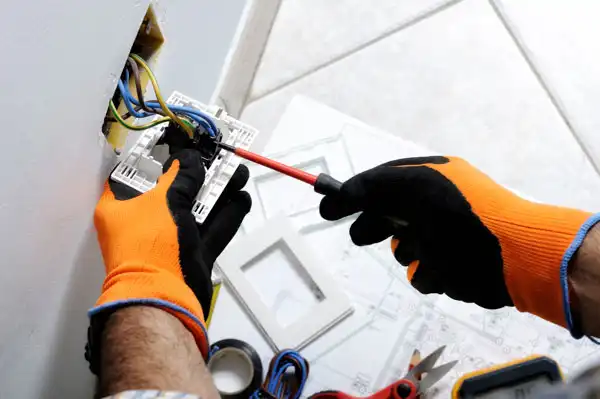
Testing electric elements requires a multimeter and comfort working around high voltage. The phrase “comfort working around high voltage” should not be interpreted as “watched a video and found a screwdriver.” Turn off power at the breaker before removing covers or touching wiring. If you are not certain power is off, you are not ready to proceed.
An Electrician can troubleshoot supply and wiring issues, while a Plumber who handles water heater repair can test elements, thermostats, and internal components. In many homes, the repair lives at the intersection of plumbing and electrical work, which is why companies that handle both trades, such as Service Lion Plumbing Heating Air Electric, can save the homeowner from playing appointment roulette.
Hot water runs out too quickly
A shower that starts hot and turns lukewarm after five minutes is a different mystery from no hot water at all. The heater is working, just not enough. That usually points toward capacity, recovery rate, sediment, a broken dip tube, failing elements, thermostat settings, or changed household demand.
Tank size matters, but so does recovery. A 40-gallon gas water heater may recover faster than a 50-gallon electric model, depending on input and design. Two teenagers, a dishwasher, a washing machine, and a large soaking tub can humble a perfectly functional heater. The poor tank never stood a chance.
A broken dip tube is a classic culprit in tank heaters. The dip tube sends incoming cold water to the bottom of the tank so it can heat properly. If it cracks or disintegrates, cold water enters near the top and mixes with outgoing hot water. The symptom feels like a tank that has shrunk overnight. You still have a water heater, but it now has the endurance of a phone battery at 3 percent.
Sediment buildup also steals capacity. Minerals settle at the bottom of the tank, especially in hard-water areas. Over time, the burner or lower element heats through a layer of sediment rather than directly heating water. That can cause popping noises, slower recovery, higher energy use, and less usable hot water. Imagine trying to cook soup with a brick between the flame and the pot. That is your heater with sediment, only less charming.
For electric units, a failed lower element often causes quick hot water depletion. The upper portion heats, giving you a short burst of hot water, then the tank gives up like it has a union break scheduled.
Water is warm, but not hot enough
Lukewarm water can make you question your thermometer, your shower valve, and your life choices. The usual suspects include thermostat settings, mixing valves, cross-connections, failing components, and seasonal changes in incoming water temperature.
Most tank water heaters are set around 120 degrees Fahrenheit for safety and efficiency. Higher settings can increase scalding risk, especially for children and older adults. Lower settings may feel inadequate, particularly in winter when incoming groundwater is colder. A heater that seemed fine in July may feel lazy in January because it has to raise the water temperature farther.
Some homes have a thermostatic mixing valve, which blends hot and cold water to deliver a safer temperature to fixtures. These valves can fail or drift out of adjustment. When they do, the tank may be full of properly heated water, but the taps receive a lukewarm compromise nobody asked for.
Shower valves can also cause confusion. A pressure-balance or thermostatic shower cartridge may limit hot water if it is worn, clogged, or improperly adjusted. If one shower is lukewarm but sinks nearby are hot, do not blame the water heater too Air conditioning contractor quickly. The shower valve may be the diva.
Cross-connections can produce strange symptoms too. A failed single-handle faucet, shower valve, recirculation valve, or washing machine mixing valve can allow cold water to bleed into the hot line. The water heater works hard, but cold water sneaks into the system downstream. This is one of those problems that makes homeowners suspect ghosts and plumbers reach for isolation valves.
Water is too hot, which is not a humble brag
Scalding hot water is dangerous, and not in an exciting action-movie way. If water temperature suddenly climbs far above the setting, the thermostat or gas control may be failing. On electric units, a stuck thermostat can allow an element to keep heating. On gas units, a faulty control valve can misread or mismanage temperature.
The temperature and pressure relief valve, usually called the T&P valve, protects the tank from excessive pressure or temperature. If this valve opens, drips, or blasts water through the discharge pipe, do not plug it, cap it, or treat it like a nuisance. That valve is there because pressurized overheated water is not a hobby.
A dripping T&P valve can result from thermal expansion, excessive house water pressure, overheating, or a faulty valve. If your home has a closed plumbing system due to a pressure reducing valve or check valve, heated water may expand with nowhere to go. An expansion tank often solves that issue, but it must be sized and pressurized properly. Randomly installing one is better than randomly juggling knives, but not by as much as you might hope.
If water is dangerously hot, turn down the thermostat and arrange service. If the T&P valve is discharging heavily, shut off the heat source and cold-water supply if safe to do so, then call a professional.
Strange noises from the tank
Water heaters are not silent, but they should not sound like a popcorn machine full of gravel. Rumbling, popping, crackling, hissing, or banging can each tell a different story.
Popping and rumbling from a tank heater often come from sediment. Water trapped beneath sediment flashes into steam pockets and collapses, making noise as it forces its way upward. Gas heaters tend to make this especially noticeable because the burner heats the tank bottom. Electric heaters can crackle and hiss as elements heat mineral deposits stuck to them.
A high-pitched whine may involve a partially closed valve, restricted flow, or vibration through piping. Water hammer, a loud bang when a valve closes, is a pressure and pipe movement issue rather than a water heater issue, though it may sound like it comes from the tank. Appliances with fast-closing valves, such as washing machines and dishwashers, often trigger it.
Flushing the tank can help with sediment, especially if done as regular maintenance. On an older neglected heater, flushing can be a gamble. Sediment may clog the drain valve, or a valve that has not moved in ten years may decide retirement is preferable to sealing again. That does not mean flushing is bad. It means neglected maintenance has a sense of humor.
Rusty, cloudy, or smelly hot water
Water quality complaints can come from the heater, the plumbing, the well, the municipal supply, or a combination ambitious enough to deserve its own committee.
Rusty hot water may indicate corrosion inside the tank or old galvanized piping. If only the hot water is rusty, the water heater becomes a prime suspect. The sacrificial anode rod inside the tank is designed to corrode before the steel tank does. Once the anode is depleted, the tank becomes the next snack. Replacing an anode rod can extend tank life if the tank has not already begun leaking, but access can be difficult. Some rods are installed so tightly that removing them feels like negotiating with a medieval gate.
Cloudy hot water may simply contain dissolved air, especially if it clears from the bottom upward in a glass. If it remains cloudy or has particles, sediment and mineral scale may be involved. White flakes often come from scale, dip tube deterioration in older units, or mineral deposits.
A rotten egg smell in hot water commonly involves hydrogen sulfide gas, often linked to well water, bacteria, and the anode rod chemistry. The smell may appear only in hot water because the heater creates a cozy spa for odor-producing bacteria. Treatment depends on the water source and system design. Options can include flushing, disinfecting the heater, changing anode rod material, treating the well, or installing water treatment. A water softener installation may help with hardness, but it is not a universal cure for odor. Water treatment should be chosen based on testing, not vibes.
Leaks: the water heater’s least subtle cry for help
Water around a water heater deserves immediate attention. Some leaks are repairable. Others mean the tank is done and is now auditioning to become a floor drain feature.
The first question is where the water originates. Condensation can appear on cold tanks in humid spaces, especially after heavy hot water use, but it should be temporary. A leaking drain valve can often be repaired or replaced. Leaks at pipe connections, flex lines, or dielectric unions may be plumbing leak repair rather than tank failure. A leaking T&P valve might indicate pressure, temperature, or valve issues.
Water from the tank body is different. If the steel tank has corroded through, repair is not realistic. No reputable plumber should promise to patch a pressurized glass-lined tank from the outside. That is not repair, it is wishful thinking with tools.
A slow leak can become a fast leak without asking permission. If the heater sits in a garage, basement, or utility closet with a proper drain pan and drain line, damage may be limited. If it sits in an upstairs closet over finished ceilings, the stakes rise quickly. I have seen a small overnight leak turn drywall into oatmeal. Nobody enjoys discovering gravity through ceiling stains.
If you find active leaking, shut off the cold-water supply valve above the heater if it operates smoothly. For gas units, turn the control to pilot or off. For electric units, shut off power at the breaker before draining or investigating further. Running electric elements in an empty tank burns them out quickly. They are heating elements, not glow sticks.
A quick homeowner check before calling for service
Not every symptom needs a midnight emergency call, but safety decides the pace. Before calling for water heater repair, a few observations can help the technician arrive prepared and can sometimes reveal a simple fix.
- Check whether the issue affects every fixture or only one shower, sink, or appliance.
- Look at the heater for error codes, pilot status, leaks, unusual noises, or signs of soot.
- Note the heater type, age, fuel source, tank size, and any recent plumbing or electrical work.
- Test hot water after waiting for recovery, especially if the tank was heavily used.
- Stop immediately if you smell gas, see heavy leaking, find scorched wiring, or the breaker keeps tripping.
Those details matter. “No hot water anywhere” sends the diagnosis one way. “The guest shower is lukewarm but the kitchen sink is hot enough to blanch almonds” sends it another. The more precise the symptom, the less time everyone spends staring at pipes like they might confess.
Tankless water heater problems have their own personality
Tankless water heaters are excellent when designed, installed, and maintained properly. They also tend to be less forgiving than tank models. A tank heater may limp along with sediment for years, grumbling like an old truck. A tankless unit will often throw a code and refuse service until conditions improve. Honestly, relatable.
Common tankless complaints include cold-water sandwiches, ignition failure, mineral scaling, insufficient flow, exhaust blockages, and undersized units. The “cold-water sandwich” happens when hot water starts, briefly cools, then heats again. It is common in certain usage patterns, especially short draws separated by pauses. Some systems handle this better than others.
Tankless units require minimum flow to activate. If a low-flow faucet or partially clogged aerator does not move enough water, the heater may not fire. That can make one fixture seem cursed while the rest of the house works fine. Descaling matters too. Hard water can reduce heat transfer and trigger overheating or flow errors. Annual or periodic flushing with proper solution is common maintenance in hard-water areas, though frequency depends on water chemistry and usage.
Gas tankless units demand adequate gas supply and venting. Replacing a tank heater with tankless is not always plug-and-play. The gas line may need resizing, venting may need redesign, and combustion air must be adequate. That is where a qualified Gas installation service and experienced Plumber earn their keep.
Electric tankless units can require substantial electrical capacity. Some need multiple double-pole breakers and heavy wiring. If the panel cannot support the load, you are not getting unlimited hot water. You are getting an electrical upgrade conversation.
When the problem is not the water heater
Water heater troubleshooting sometimes reveals that the heater is merely the accused, not the guilty party. Plumbing systems are social creatures. One fixture’s malfunction can affect another, and a small change can ripple through the house.
A clogged showerhead can reduce flow and make a tankless heater cycle poorly. A failing shower cartridge can mix cold into the hot line. A recirculation system with a bad check valve can send water the wrong direction. A tempering valve can drift. A pressure reducing valve can fail and create high pressure, causing T&P discharge. A slab leak or hidden hot-water line leak can make the heater run constantly, driving up energy bills and reducing available hot water.
Hot water line leaks can be sneaky because the water evaporates faster and may not show obvious puddles. Warm floors, a water heater that fires when no fixtures are on, increased utility bills, or a spinning water meter with everything off can point toward a hidden leak. Plumbing leak repair may involve locating the leak, isolating lines, opening walls or floors, or in some older homes, considering plumbing repiping if the piping system has reached the end of its useful life.
Drain problems can masquerade too, though usually less directly. If someone says the water heater is leaking but the nearby floor drain is backing up, the real issue may be drain cleaning, Rooter service, or Hydrojetting. Water on a mechanical room floor is not always from the appliance closest to the puddle. Water is lazy. It travels downhill and frames innocent equipment.
Homes with septic systems add another layer of caution. A leaking water heater discharging into a drain or a stuck fixture sending continuous water into the plumbing can overload a septic system. A Septic system service may be needed if backups or saturated drain field symptoms appear, but the first move is still stopping the unwanted water flow.
Repair or replace: the uncomfortable math
Nobody wants to replace a water heater early. Nobody wants to pay for repeated repairs on a dying one either. The right decision depends on age, condition, leak status, efficiency, parts availability, water quality, installation quality, and how long you plan to stay in the home.
Tank water heaters often last roughly 8 to 12 years, sometimes less in harsh water, sometimes longer with maintenance and luck. Tankless units may last longer, often 15 to 20 years with proper care, though components still fail along the way. These are ranges, not expiration dates. I have seen a 6-year-old tank fail from aggressive water and a 20-year-old tank keep working with the calm confidence of a diner waitress on a Sunday morning.
A repair makes sense when the heater is relatively young, the tank is sound, the part is available, and the total cost is reasonable. Thermocouples, heating elements, thermostats, valves, igniters, sensors, and expansion tanks can often be repaired or replaced. A replacement makes more sense when the tank leaks, corrosion is advanced, the heater is near the end of its expected life, or repair costs approach a large share of replacement cost.
Water heater installation is also a chance to correct old mistakes. That can include adding a drain pan, upgrading venting, installing an expansion tank, replacing bad shutoff valves, adding seismic strapping where required, improving electrical disconnects, or resizing gas piping. The shiny new tank gets attention, but the surrounding details determine whether the installation behaves for the next decade.
Maintenance that actually helps
Water heater maintenance is not glamorous. There is no dramatic before-and-after reveal unless your idea of entertainment is draining cloudy water into a bucket. Still, maintenance can improve performance and extend equipment life.
Flushing a tank periodically reduces sediment, though the right schedule depends on water hardness and usage. Testing the T&P valve can confirm it moves, but it can also reveal that an old valve no longer seals afterward. That is why some homeowners prefer having maintenance done by a Plumber who can replace a stubborn valve on the spot rather than turning a Saturday chore into a wet documentary.
Anode rod inspection is one of the most useful and most ignored maintenance tasks. The rod protects the tank from corrosion, but many homeowners never hear about it until the heater fails. In hard or aggressive water, anode rods may deplete faster. In some odor situations, changing rod material can help, though it should be done thoughtfully.
Tankless maintenance usually centers on descaling, cleaning inlet filters, checking vents, inspecting combustion, and reviewing error history. Hybrid heat pump water heaters need air filters cleaned and adequate surrounding air volume. They work differently from standard electric tanks, extracting heat from the air and moving it into the water. That makes them efficient in the right setting, but they need space and appropriate ambient temperatures. Heat pump installation knowledge overlaps here, especially for contractors familiar with refrigerant-based equipment.
Water quality treatment may be worthwhile in hard-water areas. Water softener installation can reduce scale in heaters, fixtures, dishwashers, and piping. It is not a cure-all, and softened water can interact with anode rods in ways that affect odor or corrosion dynamics, so the system should be matched to local conditions.
Safety signs that deserve a fast call
Some water heater problems are inconvenient. Others are unsafe. The trick is knowing which category you are in before the house starts offering hints with smoke, gas odor, or indoor rain.
Call promptly if there is a gas smell, carbon monoxide alarm, melted wiring, repeated breaker trips, heavy leaking, scorched areas, backdrafting signs, or a T&P valve actively releasing significant water. A burner producing soot or yellow flames needs evaluation. A flue pipe that is disconnected, rusted through, or sloping incorrectly can create serious venting hazards.
Electrical symptoms deserve equal respect. Buzzing thermostats, burned insulation, tripped breakers, flickering lights when the heater runs, or water near electrical components should not be shrugged off. Water and electricity have famously poor boundaries.
A good service technician will not just swap parts. They will ask what changed, test instead of guess, and look at the whole system. That may involve plumbing, gas, electrical, venting, pressure regulation, or even HVAC-adjacent knowledge in the case of hybrid heaters. It is one reason many homeowners prefer a multi-trade company rather than separately hiring a Plumber, Electrician, Heating contractor, and Air conditioning contractor for overlapping home comfort problems. The water heater may live in the plumbing aisle, but it often shakes hands with several trades.
A word about connected home systems
Water heaters do not exist in a vacuum, unless something has gone terribly wrong with the laws of physics. They share space and infrastructure with furnaces, air handlers, heat pumps, electrical panels, floor drains, gas manifolds, and sometimes recirculation pumps or whole-home water treatment.
If a utility room also houses HVAC equipment, service access matters. A water heater wedged against a furnace may make future Furnace repair service harder. Poor combustion air in a crowded mechanical room can affect both water heater and furnace operation. A floor drain that backs up can threaten both plumbing and heating equipment. A contractor who understands the room as a system may catch problems a single-appliance approach misses.
Hybrid water heaters can cool and dehumidify the space around them, which may be a benefit in a warm garage but less welcome in a small conditioned closet. Tankless venting can conflict with existing vents or nearby openings if installed carelessly. Electrical water heaters can expose panel capacity limitations, especially in homes adding EV chargers, induction ranges, or Heat pump installation projects.
Even lighting matters in the least glamorous way possible. A dark mechanical room makes inspection harder and mistakes more likely. A Lighting contractor or Electrician may not be the first person you think of during water heater replacement, but safe illumination and proper outlets around utility areas are not luxuries. They are the difference between maintenance and interpretive dance with a flashlight.
The practical way to talk to a technician
When you call for water heater repair, the best description is specific but not overdiagnosed. Say what happened, when it started, and what you observed. You do not need to announce that the lower element has failed because your cousin’s neighbor once had a similar issue. Maybe it has. Maybe the shower cartridge is mixing cold water. Maybe the breaker is tripping because insulation melted behind the access panel. Let the testing have its moment.
Useful phrases include “the kitchen sink gets hot but the master shower does not,” “the water is hot for about three minutes, then cools,” “the pilot relights but goes out when I release the button,” “the breaker tripped twice,” or “there is water at the base, but I cannot tell where it starts.” These statements help narrow the field without locking anyone into the wrong answer.
If you know the heater age, mention it. The manufacture date may be encoded in the serial number if the installation date is unknown. Also mention any recent work: bathroom remodels, new washing machines, water softener installation, pressure regulator replacement, Air conditioning maintenance visits near the unit, or anything involving gas, water, or electrical lines. The odd detail often matters.
When replacement opens better options
A failed water heater is annoying, but it is also a decision point. Standard tank, high-efficiency tank, tankless, hybrid heat pump, larger capacity, recirculation, mixing valve, water treatment, relocation, drain pan upgrade, expansion tank: suddenly a simple “make the shower hot again” request turns into a small infrastructure summit.
A standard tank heater is usually the most straightforward replacement when space, venting, fuel, and capacity remain the same. Tankless can save space and provide long-duration hot water, but installation costs and maintenance needs can be higher. Hybrid heat pump water heaters can be efficient, especially where electricity rates and installation conditions favor them, but they need space, air volume, condensate drainage, and patience with different recovery behavior.
Bigger is not always better. Oversizing can waste energy and money. Undersizing causes daily irritation. The right choice depends on peak demand, number of bathrooms, fixture flow rates, household habits, fuel type, utility costs, and whether everyone showers at once like the house is hosting swim practice.
A recirculation system can reduce wait time for hot water at distant fixtures, saving convenience and sometimes water, but it must be designed correctly. A poorly controlled recirc loop can increase energy use by keeping hot lines warm all day. Timers, aquastats, motion controls, or smart controls can help, though simple and reliable often beats fancy and confusing.
The hot water sanity test
Before panic, try to separate the symptom from the story. No hot water points to power, fuel, ignition, controls, or major component failure. Short hot water points to capacity, sediment, elements, dip tube, or demand. Lukewarm water points to settings, mixing, cartridges, cross-connections, or seasonal temperature changes. Leaks point to valves, fittings, pressure, or tank failure. Noises point to sediment, restriction, pressure, or pipe movement.
That mental sorting does not replace a professional diagnosis, but it keeps the problem from becoming a fog bank. It also helps avoid replacing a water heater when the actual culprit is a $40 shower cartridge, or replacing a shower cartridge when the tank has more sediment than a river delta.
Hot water systems reward attention. They punish neglect, usually at inconvenient times, often before guests arrive, and occasionally on a holiday weekend because appliances enjoy theater. If yours starts acting strange, listen to the clues, check what is safe, and bring in help before a repair turns into a renovation. A water heater may not be glamorous, but when it works, everyone in the house looks slightly more civilized.
Name: Service Lion Plumbing Heating Air Electric
Address: 521 W Briardale Ave, Orange, CA 92865, United States
Phone: (657) 337-3622
Website: https://callservicelion.com/
Email: [email protected]
Hours:
Monday: Open 24 hours
Tuesday: Open 24 hours
Wednesday: Open 24 hours
Thursday: Open 24 hours
Friday: Open 24 hours
Saturday: Open 24 hours
Sunday: Open 24 hours
Open-location code: R48R+WV Orange, California, USA
Map/listing URL:
https://www.google.com/maps/search/?api=1&query=Google&query_place_id=ChIJQU4LBWHV3IARtnABtyykSA4
Google Map:
Socials:
https://www.facebook.com/ServiceLionCA/
https://www.youtube.com/channel/UCR_L35QzsRTxYZtX8PxJvPw
Local Service Information
Service Lion Plumbing Heating Air Electric provides plumbing, drain, heating, air conditioning, and electrical services from its Orange, California location.The company serves homeowners and properties throughout Orange and communities across Orange County and surrounding areas.
Available services include plumbing repairs, water heater work, drain and sewer services, heating and cooling service, electrical repairs, panels, lighting, outlets, and related home-system work.
Service is available for residential properties as well as light commercial needs described within the company's local service-area information.
The company's website emphasizes locally operated service, coordinated home-system support, and practical scheduling for plumbing, HVAC, and electrical needs.
The matching public business listing shows the Orange location as open 24 hours a day, seven days a week.
For service information or scheduling, call (657) 337-3622 or visit https://callservicelion.com/.
The public map listing identifies the business at 521 W Briardale Ave, Orange, CA 92865 and can be used for location and direction information.
Popular Questions About Service Lion Plumbing Heating Air Electric
What services does Service Lion Plumbing Heating Air Electric provide?
The company provides plumbing, drain and sewer, heating, air conditioning, and electrical services. Its published services include plumbing repair, water heaters, drain clearing, sewer work, HVAC repair and installation, electrical repairs, panels, circuit breakers, lighting, outlets, and related services.
Where is Service Lion Plumbing Heating Air Electric located?
The matching business location is 521 W Briardale Ave, Orange, CA 92865, United States.
What areas does Service Lion Plumbing Heating Air Electric serve?
The company serves Orange County and surrounding communities. Its published service-area information includes Orange, Anaheim, Brea, Yorba Linda, Fullerton, Huntington Beach, Newport Beach, Costa Mesa, Irvine, Lake Forest, and additional nearby cities.
Is Service Lion Plumbing Heating Air Electric open 24 hours?
The matching public business listing shows the location as open 24 hours on Monday through Sunday.
Does Service Lion Plumbing Heating Air Electric work on drains and sewer lines?
Yes. Published services include drain clearing, rooter service, camera inspection, hydro jetting, sewer line repair and installation, water line work, slab leak detection, and trenchless sewer line repair.
Does Service Lion Plumbing Heating Air Electric provide heating and air conditioning service?
Yes. Its published HVAC services include air conditioning repair and installation, heating service, furnace work, heat pumps, air ducts, indoor air quality assessments, and thermostat installation.
Does Service Lion Plumbing Heating Air Electric provide electrical service?
Yes. Published electrical services include repairs and installations, electrical panels, circuit breakers, safety inspections, lighting, outlets and switches, surge protection, generators, and EV charging equipment installation.
How can I contact Service Lion Plumbing Heating Air Electric?
Call (657) 337-3622.
Email: [email protected]
Website: https://callservicelion.com/
Facebook: https://www.facebook.com/ServiceLionCA/
Landmarks Near Orange, California
Old Towne Orange Historic District
A central historic district and useful geographic reference point for the Orange community.
Plaza Park
A well-known public gathering point in the center of Old Towne Orange.
Orange Public Library & History Center
A civic landmark serving residents near central Orange.
Hart Park
A major public park and recreation area south of central Orange.
Eisenhower Park
A public park serving neighborhoods in northern Orange.
Santiago Oaks Regional Park
A regional recreation and open-space landmark on the eastern side of Orange.
Irvine Regional Park
A large regional park and recognizable reference point east of the city.
Orange Park Acres
A distinctive residential community and service-area reference point in eastern Orange.
El Modena
An established Orange neighborhood that provides a practical local coverage reference.
Glassell Street
One of the city's principal north-south streets and a useful route through central Orange.
Lincoln Avenue
A major east-west roadway serving northern Orange and nearby communities.
State Route 55
A primary regional freeway connecting Orange with other parts of Orange County.